
Common Appliance Problems in Arlington Homes
When a washing machine starts leaking in the basement of a pre-war two-family in East Arlington, the water often pools before anyone notices — and the ceiling below takes the damage. That kind of scenario is common in a town where much of the housing stock dates back decades and laundry hookups sit in unfinished lower levels with aging drain lines and older shutoff valves that are stiff to turn.
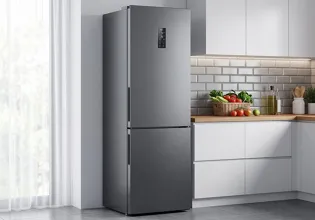
- Refrigerators that stop cooling — often the condenser coils are caked with dust, especially in kitchens where the fridge is wedged into a tight alcove with almost no clearance behind it.
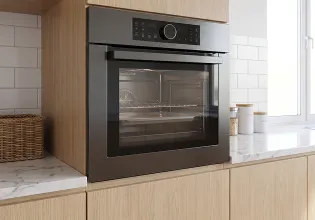
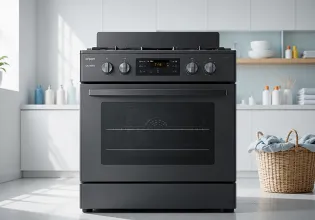
- Gas ovens and stoves that won't hold temperature or fail to ignite. In older Arlington kitchens, we usually see this when the igniter has worn out or the gas valve is sluggish after years of use.
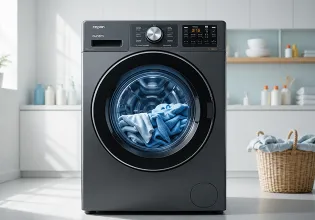
- Washers that won't drain fully, sometimes because the drain hose is kinked where it feeds into a standpipe that's been in place since the house was built.
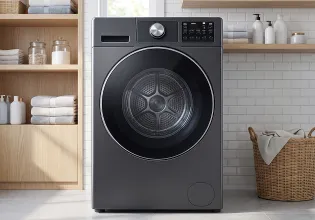
- Dryers running a full cycle without producing heat. Worth checking the vent run first — in many Arlington homes the dryer sits in a basement corner and the vent travels a long path through the wall before reaching the exterior.
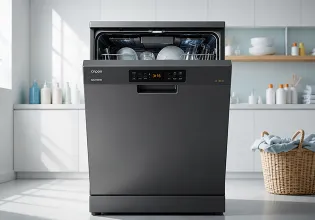
- Dishwashers leaving dishes dirty or standing water in the tub, often traced to a clogged filter or a failing drain pump.
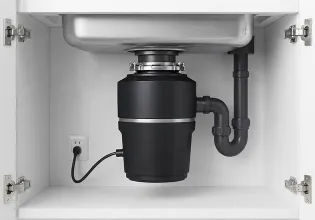
- Garbage disposals that jam or hum without spinning. A common one after holiday cooking.
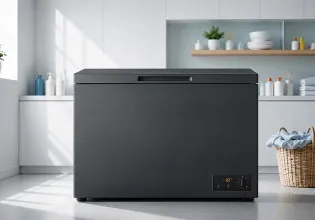
- Freezers building excess frost or warming above safe temperatures, which can mean a faulty door gasket or a defrost system that has given out.
Local Utility, Permit, Safety, and Disposal Factors in Arlington
If you need to replace a gas stove or install a new gas dryer in Arlington, the installer has to pull a gas permit through Arlington Inspectional Services before the work begins. The same goes for plumbing permits when a dishwasher or garbage disposal needs new water supply or drain connections. Homeowners cannot pull these permits themselves — the Massachusetts state plumbing and gas fitting code requires a licensed contractor to handle the paperwork and the work. So before you agree to have someone swap out your old range, ask whether they're licensed and whether they'll be pulling the permit. If they hesitate on that question, that tells you something.
Electrical permits from Arlington Inspectional Services are also required when appliance installation involves new wiring or circuit changes. That comes up more than you'd expect in older Arlington homes where the panel is already near capacity and someone is trying to add a new electric dryer or a higher-draw dishwasher.
Arlington Inspectional Services
730 Massachusetts Avenue
Arlington, MA 02476
Phone: (781) 316-3090
Official Website
Dryer vent blockages are a real fire risk, and the Arlington Fire Department addresses this under its fire prevention guidance. In a town full of older homes where dryer vents may run through floor joists, around corners, and out through basement walls, lint builds up fast. If your dryer takes noticeably longer to dry a load, that vent run needs attention before it becomes dangerous. Massachusetts fire prevention code 527 CMR also requires carbon monoxide detectors within ten feet of any sleeping area in homes with fuel-burning appliances — that includes gas stoves, gas ovens, and gas dryers. Check that your detectors are current, especially after any gas appliance repair or replacement.
Arlington's water comes from the MWRA regional water supply, sourced from the Quabbin and Wachusett reservoirs. It's classified as soft water with low mineral content. In practical terms, that means dishwashers, washing machines, and refrigerator water lines in Arlington tend to accumulate less hard-water scale than homes in communities with harder well water. You're less likely to see mineral deposits clogging a dishwasher spray arm or a refrigerator inlet valve here, though sediment from aging household pipes can still cause problems in older buildings.
When an appliance can't be saved and needs to go, Arlington does not offer automatic curbside pickup for large items. You have to schedule an appointment through the Arlington bulk item collection program run by the DPW. Refrigerators and freezers have an extra step: the refrigerant must be removed by a certified technician before the town will collect them. Don't set a dead fridge at the curb and hope for the best — it won't get picked up without that step completed first.
What Makes Appliance Repair in Arlington Different
Arlington sits close to Boston but operates its own permit and disposal systems, which means the rules here don't mirror what you'd find in Cambridge or Somerville. The appointment-only bulk appliance pickup is one example — neighboring towns may handle large-item disposal differently, so Arlington residents who assume they can just put a washer out on trash day are in for a surprise. The refrigerant removal requirement for fridges and freezers adds another layer that you won't always encounter in every community.
The housing itself shapes the work. Arlington's mix of older single-family homes, multifamily buildings, and condos means a technician might be working in a cramped galley kitchen in a 1920s two-family one hour and a renovated condo with modern hookups the next. Gas permits have to go through the town's own Inspectional Services office on Massachusetts Avenue, and the contractor — not the homeowner — is responsible for pulling them. If you're comparing quotes from different companies, the one that mentions the permit process is usually the one that knows how Arlington works.
Appliance Replacement and Household Equipment Considerations in Arlington
When repair costs start approaching half the price of a new appliance, most homeowners start thinking about replacement. In Arlington, that decision triggers a few steps that are easy to overlook. First, getting rid of the old unit: you'll need to call the Arlington DPW at (781) 316-3108 to schedule a bulk item collection appointment. You can't leave a dead dishwasher or dryer at the curb on regular trash day. For refrigerators and freezers specifically, you'll need a certified technician to recover the refrigerant before the town will accept the unit — so plan that into your timeline.
If the new appliance runs on gas, the installer needs a gas permit from Arlington Inspectional Services before connecting it. The same applies to plumbing connections for a new dishwasher or garbage disposal. Massachusetts law under 248 CMR prohibits unlicensed individuals from performing gas fitting or plumbing work in residential settings, and violations can result in the town requiring removal of a non-compliant installation. Ask your installer to confirm the permit number before they leave. That one question protects you.
In multifamily buildings and condos, replacement can also mean coordinating with a landlord or condo association — reserving a service elevator if the building has one, confirming that the gas shutoff for your unit is accessible, or checking whether the electrical panel can handle the load of a newer, higher-draw appliance. These aren't abstract concerns. In a dense town like Arlington, they come up on a regular basis.
Arlington homeowners are also protected under Massachusetts consumer protection rights under Chapter 93A, which prohibits unfair or deceptive practices in appliance repair and replacement services. If a company misrepresents the work needed or charges for parts that weren't installed, you have the right to file a complaint with the Attorney General's office.
Arlington Department of Public Works
27 Maple Street
Arlington, MA 02476
Phone: (781) 316-3108
Official Website
Areas We Serve Throughout Arlington
We provide appliance repair across all of Arlington's recognized neighborhoods and village centers. Here's a closer look at the areas we cover:
- East Arlington — Heavy concentration of multifamily homes and older two-families with basement laundry setups. Dryer vent runs here often travel longer distances to reach an exterior wall, which means lint buildup happens faster than homeowners expect.
- Arlington Center — A mix of apartments above storefronts and nearby residential streets with pre-war single-family homes. Kitchens in the older houses tend to be compact, and getting a full-size refrigerator through a narrow hallway sometimes takes careful measuring before the delivery truck even arrives.
- Arlington Heights — More single-family homes, many with gas cooking appliances. If your gas oven stops heating evenly, check whether your CO detectors are current before calling for repair — Massachusetts code requires them within ten feet of sleeping areas in any home with fuel-burning appliances.
- Morningside — Quieter residential pocket with older housing stock. We often see dishwashers here connected to original drain lines that are starting to slow down, which causes standing water complaints that aren't actually the dishwasher's fault.
- Brattle — Established neighborhood with a mix of housing ages. Washer repairs here sometimes involve working around tight basement stairways where the machine was installed decades ago and the access path has never been generous.